





Introduction

Every year, thousands of entrepreneurs have the same idea: build the “next Uber,” the “next Amazon,” or the “next Zomato” for their own city or niche market. But most never make it past the planning stage — not because the idea is bad, but because custom app development is slow, expensive, and risky for a first-time founder.
This is exactly the problem clone scripts were built to solve. Instead of spending months and a large budget building an app from scratch, startups can now launch a fully functional, proven business model in days using a ready-made clone script.
In this guide, we’ll explain what a clone script actually is, how it works, its benefits and limitations, and how to choose the right one for your business in 2026.
What Is a Clone Script?
A clone script is a pre-built software solution that replicates the core features and functionality of a successful, well-known app or platform. Rather than being an exact copy, a good clone script captures the proven business model and essential features of the original — such as booking systems, payment processing, admin dashboards, and user apps — while allowing full customization of branding, design, and specific features.
For example, a “ride-hailing clone script” would include the core structure of a platform like Uber: a rider app, a driver app, real-time trip tracking, fare calculation, and an admin panel — all ready to be rebranded and launched under a new business name.
Clone scripts are commonly available for popular business categories, including:
- Ride-hailing and taxi booking
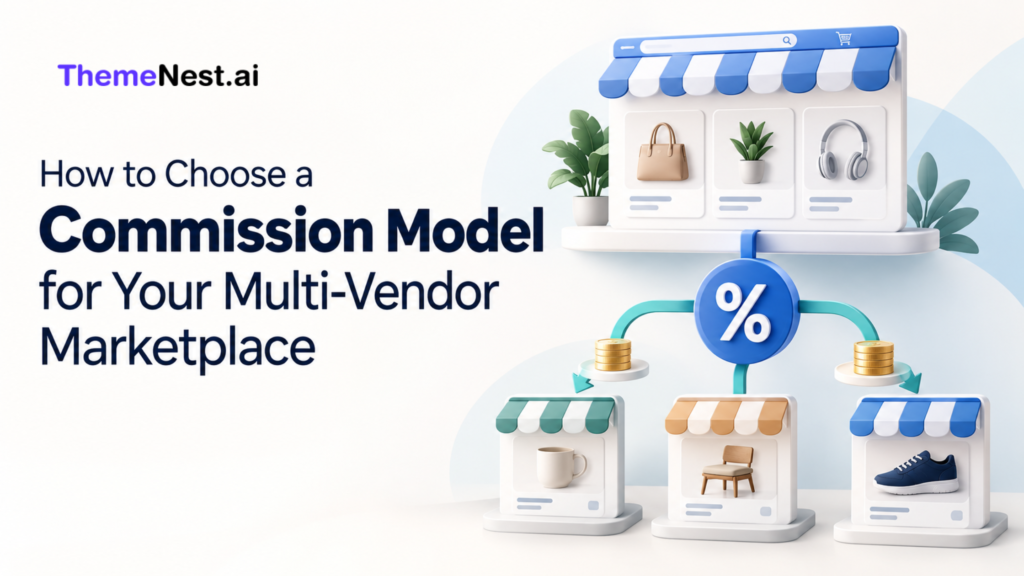
- Multi-vendor eCommerce marketplaces
- Grocery and food delivery
- On-demand home services
- QR code and payment solutions
How Does a Clone Script Work?
At a technical level, a clone script is a complete software package — typically including the backend, admin panel, and both web and mobile applications — built on modern, scalable technology. Here’s a simplified breakdown of how businesses use one:
- Choose a clone script that matches your business idea (e.g., a food delivery clone if you’re starting a delivery business)
- Customize the branding — logo, color scheme, app name, and content to reflect your business identity
- Configure business-specific settings — pricing models, service areas, payment gateways, and commission structures
- Test the platform across web and mobile to ensure everything works smoothly
- Launch and go live — often within days instead of months
Because the core functionality is already built and tested, startups skip the most time-consuming and expensive parts of development entirely.
Why Startups Are Choosing Clone Scripts in 2026
1. Significantly Lower Cost
Custom app development often requires hiring a full team of designers, developers, and QA testers — a cost that can run into tens of thousands of dollars before a single user signs up. Clone scripts eliminate most of this cost since the core product is already built.
2. Much Faster Time-to-Market
Speed matters, especially in competitive industries like delivery, ride-hailing, and eCommerce. A clone script can take a business from idea to live launch in a matter of days or weeks, compared to 6-12 months for custom development.
3. Proven Business Models
Clone scripts are based on business models that have already succeeded at scale. This reduces the guesswork around core functionality — the booking flow, payment process, and admin controls are already refined based on real-world usage patterns.
4. Lower Technical Risk
Startups don’t need an in-house technical team to get started. Most clone script providers offer installation, customization, and ongoing support, which significantly reduces the risk of technical failure during launch.
5. Room to Scale and Customize
A common misconception is that clone scripts are rigid or generic. In reality, quality clone scripts are built to be customized — additional features, integrations, and design changes can be added as the business grows.
Common Concerns About Clone Scripts (And the Reality)
“Isn’t it just a copy of someone else’s app?” A clone script replicates proven functionality, not the original company’s brand, code, or content. What you launch is your own independent business, built on a similar operational model — much like how many restaurants use similar service models but operate as completely separate businesses.
“Are clone scripts legal to use?” Yes. Clone scripts are original software built by independent development companies. As long as no copyrighted branding, trademarks, or proprietary code from the original platform is used, launching a business with a clone script is a legitimate, widely used practice across industries.
“Will it look and feel generic?” Not if you choose a reputable provider. A well-built clone script allows full branding and design customization, so the end product feels unique to your business rather than a copy-paste template.
What to Check Before Buying a Clone Script
Not all clone scripts are built the same way. Before purchasing, startups should evaluate:
- Technology stack – Is it built on modern, scalable frameworks (e.g., React, Node.js, Flutter)?
- Customization options – Can branding, features, and workflows be adjusted to your needs?
- Support and maintenance – Does the provider offer installation help, updates, and bug fixes after launch?
- Security – Are payment processing and user data handled securely?
- Scalability – Can the platform handle growth in users, vendors, or transactions over time?
- Documentation and transparency – Is pricing, licensing, and feature scope clearly explained upfront?
Choosing a provider that checks all these boxes makes the difference between a smooth launch and ongoing technical headaches.
Clone Script vs Custom Development: A Quick Comparison
| Factor | Clone Script | Custom Development |
| Cost | Low to moderate | High |
| Time to launch | Days to weeks | Months to a year+ |
| Technical risk | Low (pre-tested) | Higher (built from scratch) |
| Customization | Moderate to high | Fully flexible |
| Best for | Startups, MVPs, fast market entry | Highly unique, complex platforms |
For most startups validating a business idea or entering a proven market category, a clone script offers the fastest, most cost-effective path to launch — with the option to invest in deeper custom development later, once the business has traction.
Conclusion
Clone scripts have made it possible for entrepreneurs to turn a business idea into a live, functioning platform without the traditional cost and time barriers of custom app development. By starting with a proven, customizable foundation, startups can focus their time and budget on what actually matters — growing the business, acquiring users, and building a brand — instead of getting stuck in months of development.
If you’re ready to launch your own ride-hailing, eCommerce, delivery, or on-demand service business, ThemeNest.ai offers ready-to-launch, fully customizable platforms built on modern, scalable technology — so you can go from idea to live business in days, not months.
Frequently Asked Questions
1.What is a clone script in simple terms?
A clone script is ready-made software that replicates the core features of a successful app or platform, allowing businesses to launch a similar service under their own brand without building from scratch.
2.Are clone scripts customizable?
Yes. Quality clone scripts allow full customization of branding, design, features, and business logic to match your specific needs.
3.How long does it take to launch a business using a clone script?
Most clone script-based platforms can be customized and launched within days to a few weeks, depending on the level of customization required.
4. Is buying a clone script cheaper than hiring developers?
Yes, significantly. Clone scripts eliminate the cost of building core functionality from scratch, making them a much more affordable option for startups.
5.Can a clone script scale as my business grows?
Yes, a well-built clone script is designed to scale, with the ability to add features, integrations, and handle increasing users or transactions over time.