


Introduction

The on-demand economy has changed the way people book services, order food, hire rides, and get everyday tasks done — all from a single app. Gojek, the Indonesian super-app, pioneered this multi-service model, and today entrepreneurs across the globe want to replicate that success with their own Gojek clone app.
But building the app is only half the story. The real challenge — and opportunity — lies in choosing the right revenue model. In this guide, we’ll break down every proven way a Gojek clone app can generate income, how to combine these models strategically, and how a ready-made solution like ThemeNest’s QuickService can help you launch a multi-service platform without reinventing the wheel.
What Is a Gojek Clone App?
A Gojek clone app is a ready-to-deploy, white-label version of the original Gojek platform, built to offer multiple services — ride-hailing, food delivery, courier services, home services, and more — under one unified app. Instead of building a super-app from scratch, which can take months and a significant development budget, businesses use a clone script to launch quickly, customize branding, and go live in weeks.
Solutions such as QuickService by ThemeNest are designed specifically for this purpose: a flexible, multi-vendor framework that lets entrepreneurs plug in various service categories and start operating a Gojek-style marketplace with minimal technical overhead.
Why Gojek Clone Apps Are a Profitable Business Model
Multi-service apps are profitable because they solve for convenience at scale. A single app touching multiple verticals — rides, deliveries, home services — means:
- Higher customer lifetime value, since users return for several needs instead of just one.
- Lower customer acquisition cost per service, because one user acquired for food delivery might also book a ride or a home repair.
- Diverse, resilient income streams that aren’t dependent on a single vertical’s seasonality.
- Network effects, where more service providers attract more customers, and more customers attract more providers.
This is exactly why platforms built on frameworks like QuickService are attractive to investors and entrepreneurs — the business model is inherently diversified from day one.
Top Revenue Models of a Gojek Clone App
A well-planned Gojek clone doesn’t rely on just one income stream. Here are the ten most effective revenue models used by successful multi-service platforms.
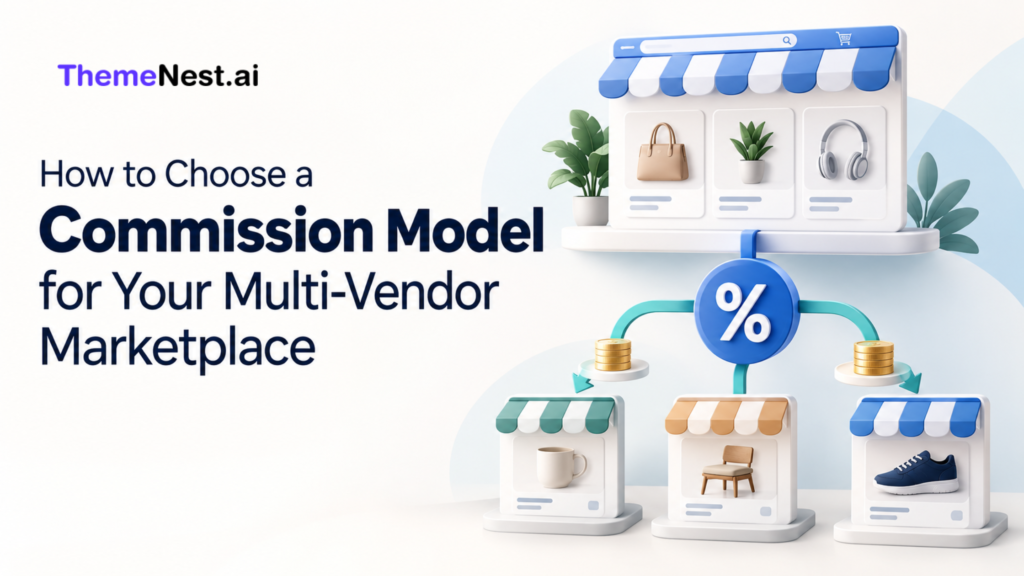
1.Commission on Every Booking
The most common model: the platform takes a percentage cut (typically 10–30%) from every completed booking, whether it’s a ride, a delivery, or a home service. This scales naturally with transaction volume.
2.Subscription Plans for Service Providers
Vendors and service providers pay a recurring fee to list their services, access premium tools, or reduce their per-transaction commission. QuickService supports tiered vendor subscriptions out of the box, making this model easy to implement.
3.Delivery Charges
For food, grocery, or parcel deliveries, a fixed or distance-based delivery fee is charged to the customer, generating direct revenue independent of the service provider’s cut.
4.Surge Pricing
During high-demand periods (peak hours, bad weather, festivals), prices automatically increase. This benefits both the platform and service providers while balancing supply and demand in real time.
5.In-App Advertisements
Featuring third-party ads, promoted restaurants, or partner banners within the app creates a passive revenue stream that doesn’t depend on transactions at all.
6.Featured Listings
Service providers pay extra to appear at the top of search results or category pages — similar to sponsored listings on e-commerce platforms.
7.Cancellation Fees
Charging a small fee when a customer cancels a confirmed booking discourages misuse and compensates providers for reserved time or resources.
8.Convenience & Platform Fees
A flat fee added to every transaction to cover payment processing, customer support, and platform maintenance — a small but consistent revenue booster.
9.Loyalty Programs and Memberships
Premium memberships (like a “Gojek Plus” tier) offering free deliveries, priority bookings, or discounts encourage recurring usage while generating upfront subscription revenue.
10.Affiliate Partnerships
Partnering with third-party brands — insurance providers, financial services, or retail brands — to offer their products within the app, earning referral commissions.
Together, these models can be mixed and matched depending on your target market. Platforms built with a flexible foundation like QuickService allow entrepreneurs to enable or adjust these revenue streams as the business grows, without needing a full redevelopment cycle.
How to Maximize Revenue from a Gojek Clone App
Simply enabling multiple revenue models isn’t enough — how you implement them matters just as much. A few practical strategies:
- Start with 2–3 core models (commission, delivery fees, convenience fees) before layering in advertisements or premium memberships.
- Use dynamic pricing intelligently — surge pricing should feel fair, not exploitative, or it risks churn.
- Incentivize provider loyalty through subscription tiers rather than just transaction-based commissions.
- Leverage data to identify your highest-margin service categories and promote them more aggressively.
- Choose a scalable tech foundation. A platform like QuickService, built with modular architecture, makes it easier to test new monetization features without disrupting the live app.
Common Challenges in Monetizing a Multi-Service App
Even with the right models in place, monetization comes with real challenges:
- Balancing commission rates — too high, and service providers churn to competitors; too low, and margins suffer.
- Managing multiple stakeholders — customers, service providers, delivery partners, and admins all have different expectations from pricing.
- Regional pricing differences — a single flat model rarely works across cities or countries with different costs of living.
- Fraud and cancellation abuse — without proper safeguards, cancellation fees and promotions can be exploited.
- Technology limitations — older or rigid clone scripts often can’t support new revenue features without expensive custom development, which is why choosing an adaptable framework matters from the start.
Future Trends in Gojek Clone App Monetization
The monetization landscape for super-apps continues to evolve. Key trends to watch:
- AI-driven dynamic pricing that adjusts fees based on real-time demand, traffic, and provider availability.
- Embedded fintech services — in-app wallets, micro-lending, and buy-now-pay-later options as new revenue channels.
- Hyperlocal advertising targeting users based on their location and order history.
- Subscription-first models, where a single monthly fee unlocks multiple services, similar to how streaming platforms bundle content.
- Sustainability-linked pricing, such as eco-delivery options that customers pay a premium for.
Platforms that stay flexible — like those built on QuickService’s modular framework — will be better positioned to adopt these trends without a complete platform overhaul.
Final Thoughts
A Gojek clone app’s success isn’t just about replicating features — it’s about building a monetization strategy that’s sustainable, fair to all stakeholders, and adaptable to market changes. By combining models like commissions, subscriptions, delivery charges, and advertisements thoughtfully, entrepreneurs can build a resilient, multi-stream revenue engine.
Choosing the right technology foundation makes this significantly easier. With a flexible, feature-rich framework like QuickService by ThemeNest, businesses can launch a multi-service platform quickly and scale their revenue models as they grow — without being locked into a rigid, one-size-fits-all structure.
Frequently Asked Questions (FAQs)
Q1. What is the most profitable revenue model for a Gojek clone app?
Commission-based revenue remains the most consistent, but combining it with delivery fees and subscription plans typically yields the highest overall margins.
Q2. How much commission do Gojek-style apps usually charge?
Commission rates typically range between 10% and 30%, depending on the service category and market competitiveness.
Q3. Can I add new revenue models after launching my app?
Yes — if your app is built on a flexible platform like QuickService, new monetization features such as loyalty programs or featured listings can be added without rebuilding the app.
Q4. Is a subscription model better than commission-based pricing?
Neither is universally “better.” Many successful platforms use a hybrid approach — subscriptions for consistent income and commissions that scale with transaction volume.
Q5. Do I need a custom-built app to implement all these revenue models?
Not necessarily. Ready-made solutions like QuickService are designed with these monetization features built in, saving significant time and development cost.